




























Meta Muse Charm Brings AI Agents to Wearable Accessories
Meta’s Muse Charm combines a customisable AI companion with a wearable accessory design inspired by digital pets, bag charms, and retro technology trends.
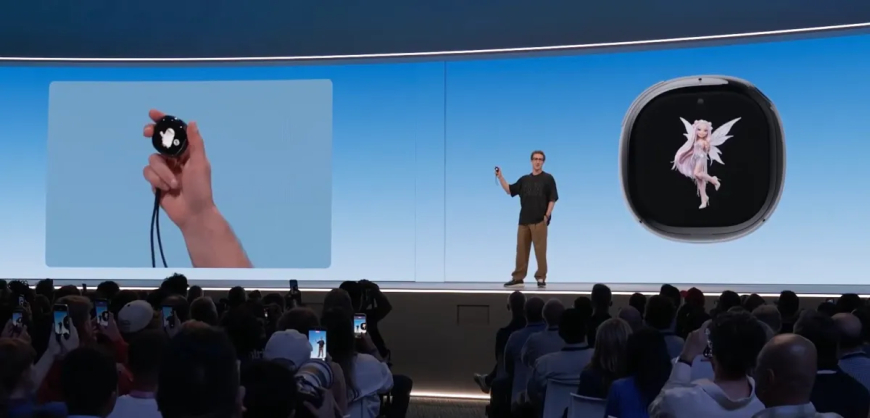
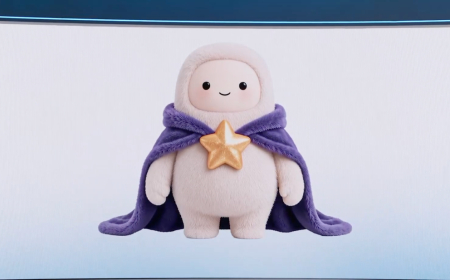
Meta’s newly announced Muse Charm brings its customisable AI companion into a compact accessory that looks more like a digital pet than a conventional tech gadget. Its design has drawn comparisons to Tamagotchi, but it also fits a newer fashion trend: turning everyday objects into personalised bag charms.
Whether consumers will want an AI assistant hanging from a bag or keychain remains uncertain. The Charm arrives in a market where several dedicated AI gadgets have struggled to gain traction, even as wearable accessories and retro-inspired technology attract attention.
Why the Muse Charm Fits the Bag Charm Trend
Decorative accessories have become a way for younger shoppers to personalise bags, phones, and other belongings. The Labubu bag charm craze helped bring the trend into the mainstream. Coverage from NPR and CNN documented how the collectable characters became sought-after accessories.
Beauty brands have also embraced the idea. Lip products and other beauty essentials are increasingly designed to be carried as charms rather than stored inside a bag. Rhode helped popularise that approach with its lip-treatment phone case and later introduced beauty-focused bag charms.
Fashion accessories such as Coach’s cherry bag charm have found an audience among shoppers looking for playful ways to customise their belongings. Coach’s appeal to Gen Z shoppers has also drawn attention, while industry analysis of the bag charm market points to growing commercial interest in small accessories.
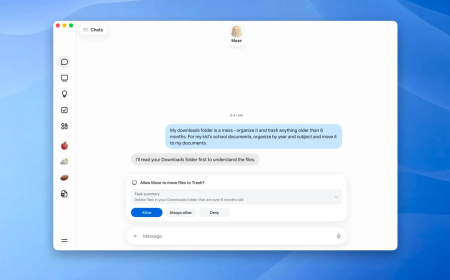
Muse Charm follows a similar approach by turning an AI agent into an object users can carry and personalise. Meta’s Muse assistant includes a customisable avatar, letting users shape their digital companion's appearance.
From Tamagotchi to Apple Watch Keychains
The Charm’s small, character-like design recalls the Tamagotchi digital pets that became popular in the 1990s. A more recent comparison, however, is wearing an Apple Watch as a pendant or attaching it to a bag instead of keeping it on a wrist.
TikTok videos showing alternative ways to carry an Apple Watch reflect that interest. Shoppers can find watch accessories on Amazon and Apple Watch keychain cases on Etsy in a range of decorative styles.
That makes Muse Charm part of a broader shift in which technology doubles as a fashion accessory. Its appearance and portability may matter as much to some buyers as its AI capabilities.
Retro Technology Gets a Personal Makeover
The Charm also arrives amid renewed interest in older forms of consumer technology. Retro cameras, music formats, and other physical gadgets have attracted younger users who enjoy their distinctive designs and hands-on experiences.
Some enthusiasts are taking personalisation further by building portable computers called cyberdecks. Reports from Her Campus, HOLA!, and Teen Vogue have highlighted customised designs that combine functional computers with decorative cases and accessories.
Muse Charm draws on that same interest in making technology feel personal and tangible. Unlike a repurposed watch or a homemade computer, though, the device also asks users to make room for an AI assistant in their daily lives.
Privacy Questions Could Shape Consumer Interest
Meta’s history of privacy disputes may affect how consumers evaluate an AI companion designed for frequent use. In 2011, Facebook agreed to settle Federal Trade Commission charges concerning its privacy promises. The company later reached a $5 billion FTC settlement in 2019 over privacy-related violations.
In 2023, the FTC proposed additional restrictions on Meta’s use of young users’ data, citing alleged failures to comply with an earlier privacy order. More recently, a New Mexico court ordered Meta to pay penalties and change child-safety protections on Facebook and Instagram.
Those issues do not establish how Muse Charm will handle personal information, but they may lead consumers to look closely at what the device collects and how its AI features use that data.
Meta has said it plans to earn a small fee from transactions made through Muse. For the Charm, the question is whether its mix of personalised AI and accessory-style design offers enough everyday value for people to adopt it.
What's Your Reaction?
 Like
0
Like
0
 Dislike
0
Dislike
0
 Love
0
Love
0
 Funny
0
Funny
0
 Angry
0
Angry
0
 Sad
0
Sad
0
 Wow
0
Wow
0