





























Google Pixel 11 Lineup Puts Gemini AI at the Centre of the Smartphone Experience
Google’s Pixel 11 lineup brings expanded Gemini AI features, upgraded cameras, Tensor G6 chips and new tools for translation, transcription and video.
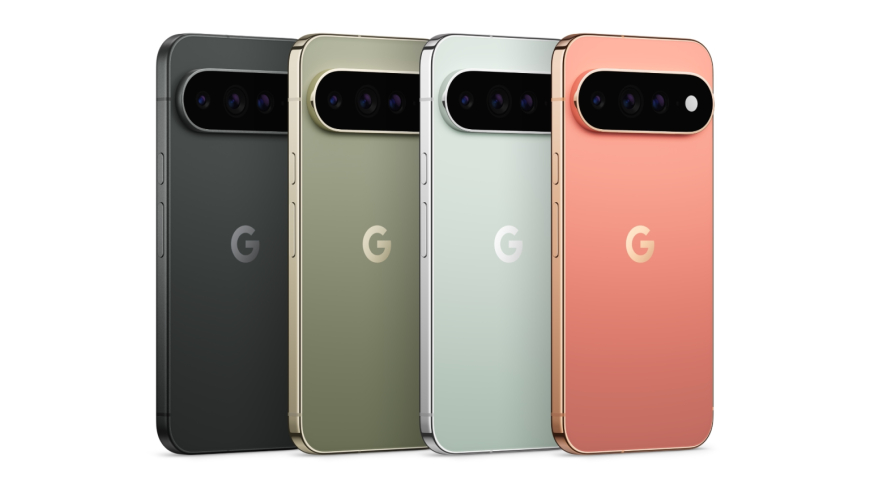
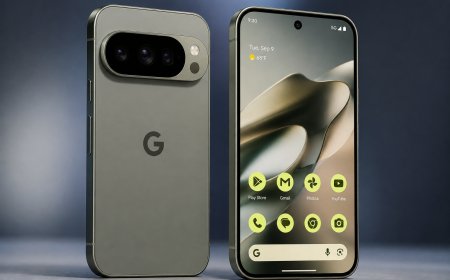
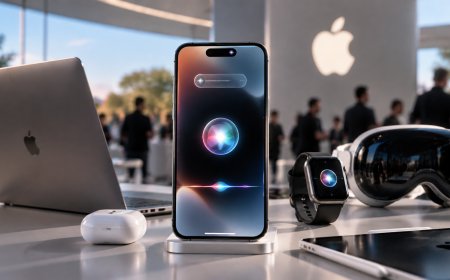
Google’s Pixel 11 lineup places even greater emphasis on Gemini, relying on software and AI advances to distinguish its latest smartphones rather than making sweeping changes to their physical design.
The Pixel 11, Pixel 11 Pro and Pixel 11 Pro XL all run on Google’s new Tensor G6 processor. The phones also introduce expanded agentic capabilities, new transcription and translation tools, AI-assisted camera features and upgrades aimed at creators.
Pixel 11 gives Gemini more work to do
One of Google’s priorities is enabling Gemini to complete more tasks rather than simply answering questions. In the U.S., Gemini can handle activities such as ordering groceries, arranging rides and ordering coffee. It can also call businesses on a user’s behalf for reservations and appointments.
Google says users remain in control of these interactions, with options to interrupt or take over a task and review transcripts of calls handled by AI.
The approach builds on Google’s broader Gemini Intelligence strategy for Android. The company has previously outlined plans for Gemini to complete multi-step tasks across apps while giving users controls over automated actions. :contentReference[oaicite:0]{index=0}
Google is also expanding the range of services Gemini can work with. The announced integrations include Granola, Otter.ai, Wix, Fever, GetYourGuide, Localiza, OpenTable in the U.K., Ticketmaster, iHeartRadio, Pandora, Angi, Thumbtack and Zocdoc.
Magic Cue and Rambler expand across Pixel
Magic Cue, introduced with the Pixel 10 generation, is becoming more closely tied to Gemini. The feature can surface relevant information from connected apps based on what a user is doing, reducing the need to search through messages, reservations, and other information manually.
Google has already been expanding Magic Cue beyond its original capabilities, including contextual restaurant suggestions and support in additional messaging experiences.
Rambler is also moving onto Pixel phones after Google introduced the dictation technology earlier this year. Instead of producing a literal transcript filled with pauses, repeated phrases and corrections, Rambler uses Gemini to turn natural speech into cleaner written text. Google says the feature can understand multilingual speech, including conversations that switch between languages.
The Pixel 11 series adds translation capabilities for content including videos, podcasts and voice messages. Google is also bringing Circle to Search into the camera experience and introducing accessibility improvements, including Gemini-assisted translation of sign language into text.
Google adds Magic Capture to the Pixel 11 camera
AI also plays a larger role in photography. A new feature called Magic Capture analyses between the beginning and end of a capture and selects images it determines are worth keeping.
Google says the system can automatically crop and sharpen selected frames, allowing users to record video while producing still images ready to share.
Zoom capabilities are increasing as well. The Pixel 11 Pro models can reach 120x digital zoom, compared with 100x on the previous Pro generation, while the standard Pixel 11 increases from 20x to 30x. Users can also create custom camera looks that serve as personalised filters during shooting.
The Pro models gain Instant Night Sight, which Google says captures low-light images 4.5 times faster than the previous Night Sight implementation. Video capabilities include 8K recording with Video Boost and improved stabilisation.
A new creator-focused mode can turn a Pixel 11 into a teleprompter while recording video. Finished clips are placed in a dedicated folder to make them easier to locate during editing.
Tensor G6 powers the Pixel 11 lineup
All three phones useGoogle’ss Tensor G6 processor. Google says the chip delivers 20% better power efficiency and browsing performance that is up to 25% faster.
The upgraded image-processing hardware also supports features including faster low-light photography and the 120x zoom available on the Pro models. Google says Tensor G6 can run its latest AI models with lower latency, although it did not provide specific performance measurements for those workloads.
Screen sizes remain unchanged, while the Pro models receive brighter displays. Google also says the Pro phones have an upgraded main camera sensor and a telephoto sensor that captures 32% more light.
Another visible hardware addition is an LED built around the rear flashlight. It can act as an indicator for calls or messages from selected contacts and provide visual feedback when Gemini is listening or processing a request.
Pixel 11 starts at $899
Google is starting the new generation with 256GB of storage across the lineup. The Pixel 11 costs $899, the Pixel 11 Pro starts at $1,099, and the Pixel 11 Pro XL starts at $1,299.
The Pixel 11 and Pixel 11 Pro pricing matches the cost of lastyear’ss comparable 256GB models, although the previous generation also offered less expensive 128GB configurations. The Pixel 11 Pro XL, meanwhile, costs $100 more than its predecessor.
Google is taking preorders for the new phones alongside updated PixelSnap accessories, including clear cases and additional Ring Stand options.
The Pixel 11 generation ultimately reflects Google’s increasingly software-led approach to smartphones. While the physical changes are comparatively restrained, Gemini is being woven more deeply into everyday tasks, communications and photography, extending Google’s broader effort to turn Android devices into more proactive AI assistants.
What's Your Reaction?
 Like
0
Like
0
 Dislike
0
Dislike
0
 Love
0
Love
0
 Funny
0
Funny
0
 Angry
0
Angry
0
 Sad
0
Sad
0
 Wow
0
Wow
0